Hedge Trimming in Shortlands

Hedge trimming in Shortlands should keep boundaries neat, growth balanced and garden structure easy to manage. We focus on the practical work that shapes hedges cleanly, removes awkward extensions and helps planting stay within the line you want. For homes and shared outdoor spaces, that often means regular cutting, careful reduction and tidy finishing that leaves the hedge looking deliberate rather than rushed.
Our service is suited to formal front hedges, mixed boundary planting and taller screening that needs a steadier approach. We work with the shape of the hedge itself, trimming to encourage an even profile and removing excess growth without stripping the plant bare. If a hedge has become uneven, bulky or difficult to reach, the work can be planned so the final result feels controlled and well proportioned.
Use the sections below to see how hedge trimming can be combined with related garden work. If you already know the style of finish you want, make an enquiry and ask for a quotation in the usual way.
Regular hedge trimming for neat, controlled growth
Regular trimming is the best way to keep a hedge manageable, especially where a crisp outline matters along a path, drive or boundary. Small cuts made at the right time are usually more effective than letting the hedge drift and then reducing it heavily. A measured approach supports density and helps the hedge hold a consistent face, which matters for both appearance and practicality.
We can trim hedges to maintain a precise width, keep the top level and prevent the sides from spreading into adjoining space. This is useful for hedges that need to sit within a set boundary line or stay clear of windows, entrances and shared access routes. The aim is not only to tidy the plant, but to keep its size predictable from one season to the next.
For properties that need more than a one-off cut, it often helps to agree a repeat trimming pattern rather than waiting for the hedge to become overgrown. That keeps each visit more manageable and usually avoids the need for heavier reshaping later on. Our services overview gives a simple way to view the main garden work we provide alongside hedge trimming.
Shaping taller hedges and boundary screens

Taller hedges often need more than a standard top-and-sides cut. The work may involve reducing height gradually, restoring a straight line across the top and balancing the sides so the hedge does not look top-heavy. Where a hedge provides privacy, the finish needs to remain functional as well as tidy, so trimming is carried out with the hedge’s role in mind.
For screening hedges, a careful shape can improve how light, space and outlook feel around the garden. A hedge that has thickened unevenly may need selective trimming rather than a uniform pass, particularly if the base has narrowed or the upper growth has spread too far. We aim for a finish that looks deliberate and keeps the hedge stable enough for future maintenance.
If you are comparing service options, garden maintenance can be a useful page to look at when hedge trimming is part of a wider upkeep plan. It may suit customers who want several outdoor tasks handled in a joined-up way rather than as separate visits.
Reducing overgrowth and restoring a tidy outline
Some hedges only need a light seasonal tidy, while others have grown beyond their intended shape and need a more considered reduction. Overgrowth can lead to uneven edges, shading, awkward protrusions and reduced visibility along boundaries. When that happens, the trimming work needs to restore the outline without creating bare patches or leaving the hedge looking severely cut back.
A sensible reduction depends on the hedge type, current condition and the finish you want to achieve. In some cases, the work is best handled in stages so the hedge can recover while still becoming smaller and easier to manage. That approach is especially useful when the hedge has not been trimmed regularly and now needs both shape correction and size control.
Where the hedge is only one part of a larger garden tidy-up, garden clearance may be relevant too. It is a practical page to review if the surrounding area also needs green waste and general outdoor clutter removed as part of the same visit.
How we approach hedge trimming
Good hedge trimming starts with a clear view of the plant’s shape, its purpose and the amount of correction it needs. Some hedges need only surface cutting, while others benefit from a more selective process that evens out growth and improves the line of the hedge. We treat each hedge as a living structure, not just a boundary to be cut back quickly.
There are several practical decisions that affect the finish, and these are usually worth considering before work starts:
- the desired height and width of the hedge
- whether the hedge needs a fine finish or a broader reduction
- the level of access around the hedge
- how much growth has built up since the last cut
If you are planning related garden improvements, landscape gardening can be helpful when trimming is just one step in a wider reworking of the outdoor space. It may suit customers who want a more considered result across borders, paths and planting areas.
Finishing touches that make the result look complete
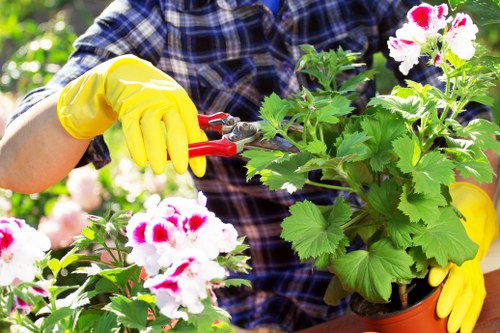
A neat hedge is about more than the cut itself. The final finish should leave clear lines, trimmed edges and a shape that sits naturally within the surrounding garden. If a hedge leans, bulges or carries small uneven sections, those details can be corrected during the trimming so the result looks settled rather than patchy.
We also pay attention to the practical side of the job, including how cut material is handled and how the hedge sits against surfaces such as paving, fencing or planting beds. This can make a noticeable difference to the finished appearance, especially in smaller front gardens where every edge is visible. A clean result usually depends on steady trimming and sensible follow-through.
For customers thinking about wider outdoor changes, landscaping covers more than hedge work alone and may be worth a look if you want to improve the overall layout as well as the boundary planting.
Combining hedge trimming with other garden tasks
Hedge trimming is often most useful when it sits alongside other basic upkeep. A garden can look significantly more balanced when the hedge, lawn and surrounding planting are handled in a coordinated way. That can avoid the common situation where the hedge looks neat but the rest of the garden still appears unfinished, or where a tidy lawn is framed by a hedge that has outgrown its line.
Where appropriate, we can combine trimming with complementary outdoor work so the whole garden feels more manageable. The most common combinations are straightforward and practical, and they depend on the condition of the space rather than on a fixed package. If you are arranging several jobs together, it helps to think about what needs cutting, what needs clearing and what needs regular upkeep.
Useful related pages include lawn mowing if the grass also needs attention, and tree lopping and removal where larger planting is affecting light, space or access around the hedge.
About Shortlands
Shortlands is a district in the London Borough of Bromley, set to the north of Bromley town centre and close to the corridor of the River Ravensbourne. The area developed significantly with the spread of suburban rail travel in the nineteenth century, and much of its present character reflects that period of growth. Tree-lined roads, detached and semi-detached houses, and a generally residential street pattern give it a settled suburban feel, while the nearby commercial centres of Bromley and Beckenham provide a wider urban context. Shortlands railway station remains one of the best-known points in the district and helps define its connection to the wider south-east London network. Local green space is an important part of the area’s identity, with Queensmead Recreation Ground and Shortlands Park among the places that contribute open views, walking routes and everyday leisure space. The Ravensbourne valley adds another layer of landscape character, introducing water, low-lying land and pockets of natural vegetation into an otherwise built-up setting. Churches, schools and community facilities also play a visible role in the district, reinforcing its local-centred atmosphere. Although Shortlands sits within the greater London area, it retains its own recognisable neighbourhood identity through its streets, transport links and mixture of older and later housing. That combination of suburban calm, parkland and railway accessibility has shaped the district for well over a century.
Choosing the right level of hedge care

Not every hedge needs the same type of trimming. A clipped ornamental hedge may call for a sharper finish and more frequent maintenance, while a natural boundary hedge may need a softer approach that respects the plant’s growth habit. Choosing the right level of care matters because cutting too little leaves the hedge unruly, but cutting too much can leave it thin and stressed.
We can help with routine maintenance cuts and more involved reshaping where the hedge has lost its original line. In practice, the right approach depends on the hedge’s age, the species involved and how much space is available for access and trimming. For that reason, an accurate quotation is easier when the work is described clearly and the hedge can be assessed from the details you provide.
If you want to check practical arrangements before contacting us, pricing and quotes is a sensible page to review. It can help you understand how estimates are usually prepared for different kinds of garden work.
What affects the quotation for hedge trimming
Quotation details are usually shaped by straightforward factors rather than by a single fixed rule. The height and length of the hedge matter, as does how much growth has built up since the last cut. Access can also affect the work, especially where a hedge runs close to a wall, fence, slope or narrow passage. A taller or more awkward hedge may simply take longer and require a more careful setup.
It is also worth noting whether the hedge needs a tidy cut, a height reduction or a broader reshaping. Those jobs are related, but they are not identical. A hedge that only needs a surface trim can be handled differently from one that has to be brought back to size. The better the description, the easier it is to match the work to the right level of effort and provide a sensible quotation.
For enquiries about how we handle personal details and site information, contact us when you are ready. A clear message with the hedge type, the size of the job and any access notes will usually help keep the next step straightforward.
Related outdoor services
Some customers only need hedge trimming, while others prefer a broader package of garden work so the property can be brought into better order in one visit. That might include cutting back growth, improving borders, reducing unwanted spread or dealing with the rest of the planting around the hedge. The right combination depends on what is already in place and what level of finish you want to achieve.
Where the garden needs more than trimming alone, decking services can be relevant for outdoor areas that sit beside planted boundaries, and recycling and sustainability may be useful if you want to see how green waste and reusable materials are handled. These pages are most helpful when hedge work forms part of a wider plan for the garden.
For a broader picture of what is available, the services overview can be used alongside this page, and if you are ready to request a quotation, please get in touch and tell us what the hedge needs.
Preparing for hedge trimming in Shortlands
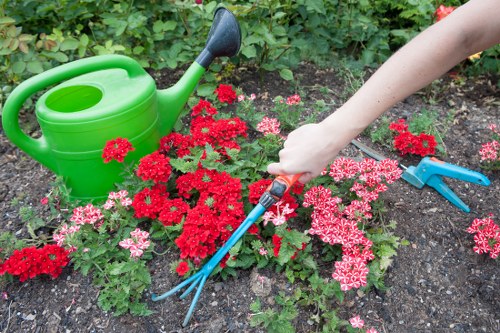
Before hedge trimming begins, it is useful to think about the finish you want and any practical issues around the hedge itself. A short note describing whether you want a light tidy, a reduction or a shape correction can make the enquiry easier to handle. It also helps to mention if the hedge is close to fencing, parked vehicles, paths or planting that should be protected during the work.
The simplest enquiries usually include the hedge location, approximate size and any points that affect access. That information is often enough to indicate the right type of work, whether the hedge is front-facing, boundary planting or a taller screen needing more deliberate shaping. A few clear details are more useful than a long explanation, provided they describe the hedge accurately.
To take the next step, make a straightforward request for a quotation and include the hedge details you already know. If the trimming is part of broader garden work, mention that too so the scope can be considered properly. For a direct route to the right page, use our contact page when you are ready to ask for a quotation.